
A practical guide to deciding what to outsource, co-manage or keep in house, with a simple framework you can use this year.
Key takeaway
The organizations winning with IT outsourcing right now are not the ones with the leanest headcount or the cheapest vendor invoice. They are the ones that have drawn a clear line between strategic technology ownership and day-to-day operational work, and they protect that line the way they protect their network.
Why Your Outsourcing Approach Needs to Change
Outsourcing has never been a simple in-house or vendor choice. What has changed is the pace.
AI now handles much of the routine work. Tier-one support, patching and monitoring increasingly run without a person watching every step. Deloitte's Global Outsourcing Survey found that most organizations are already using AI inside their outsourced services, and a growing number are building formal rules for managing that automated workforce alongside their human teams.
At the same time, your accountability has not moved. Under UK data protection law, hiring a processor changes how responsibility is shared. It does not remove it. The Information Commissioner's Office is clear that you remain responsible for your own compliance and for the compliance of any vendor you use, no matter what the contract says.
Cloud and SaaS have also grown faster than most internal teams can keep up with. Deloitte's Global Business Services Survey, covering over 2,000 organizations, found that more than half are expanding their outsourced or shared services work.
None of this changes what your people need from you: clarity about who owns what, and confidence that the technology behind their work is in capable hands.
Decide What to Outsource, Co-Manage or Keep
There is no single right answer here. The best mix depends on your team's strengths, your risk appetite and how complex your technology estate has become.
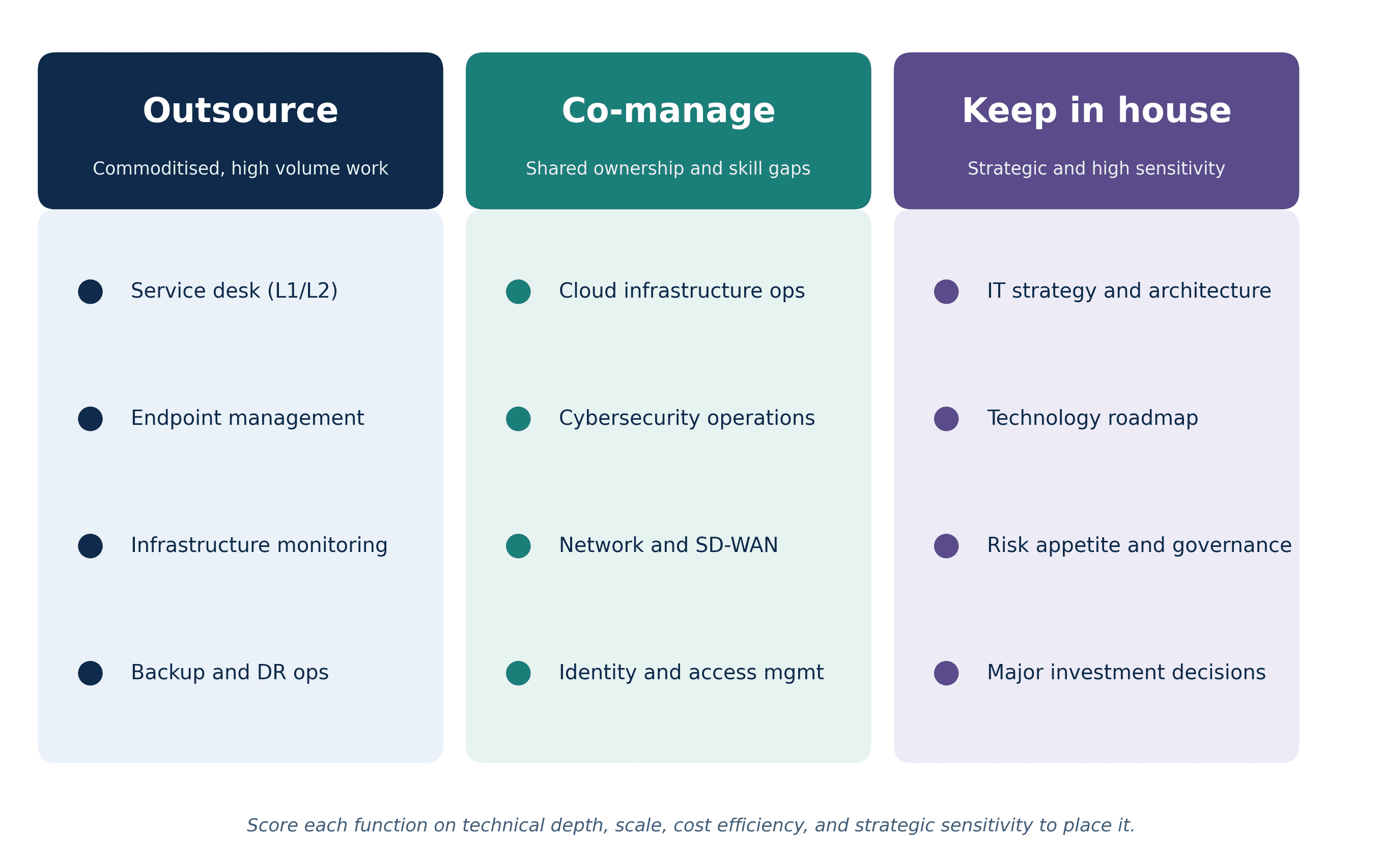
Figure 1: Map each IT function to the right ownership model.
A simple rule of thumb helps. If a function scores low on technical depth and scale, outsource it. If it scores high on strategic sensitivity, keep it in house. Everything else is a good candidate for co-management.
One filter matters most. Anything touching sensitive data or strict regulation, such as FCA or NHS requirements, should stay in house unless a vendor can prove they meet an equal or higher standard. The NCSC's Principles of Supply Chain Security are worth applying before you sign anything, not after.
Before you talk to any vendor, build one clear picture of your own environment: your applications, infrastructure, users, contracts, critical business services and the suppliers you already depend on. Ask what breaks downstream if a piece fails, and answer that before you select a vendor, not during an incident.
Set Goals and Choose the Right Model
Vague goals lead to vague contracts. Replace broad requests with outcomes you can actually track.
Instead of asking for better security, ask for 98 percent critical patch compliance within 72 hours, with zero unresolved audit findings within a year. Every goal needs a baseline, a deadline, a clear owner and a real business reason.
Some businesses need a vendor to run everything day-to-day. Others need a partner to fill specific gaps while keeping architecture and strategy in house. A smaller group pay only for outcomes achieved, not hours worked.
For most mid-sized organizations, a blended model works best: your team owns the strategy and vendor relationships, while your partner covers round-the-clock operations and extra capacity when needed. Fully outsourced setups tend to drift away from your goals over time.
Choose a Partner You Can Trust
Price matters, but it should never be the only thing you weigh. Look closely at technical capability, security certifications such as ISO 27001 or SOC 2, service management maturity and how well a vendor can scale with you.
Ask better reference questions too. Instead of asking if a client was happy with the service, ask what happened during their last major incident, or how the vendor handled a missed deadline. A good partner will happily connect you with a client who left them.
Security deserves its own seat at the table, not a follow-up conversation. Look for regular independent testing, vetted staff for privileged access and a clear promise to disclose any serious incident within 24 hours.
A strong contract expects things to go wrong and spells out what happens next. Give every service level a number, a way to measure it and a real consequence if it is missed. The ICO's guidance on what a processor contract must include is a good starting checklist, covering audit rights, subcontractor approval and breach assistance.
Every one of these choices ultimately affects the people who rely on your systems every day. The right partner protects their experience as much as your infrastructure.
Plan Your First 90 Days and Keep It Strong
A rushed transition can undo the value of a great vendor choice. The first three months set the tone for everything that follows.
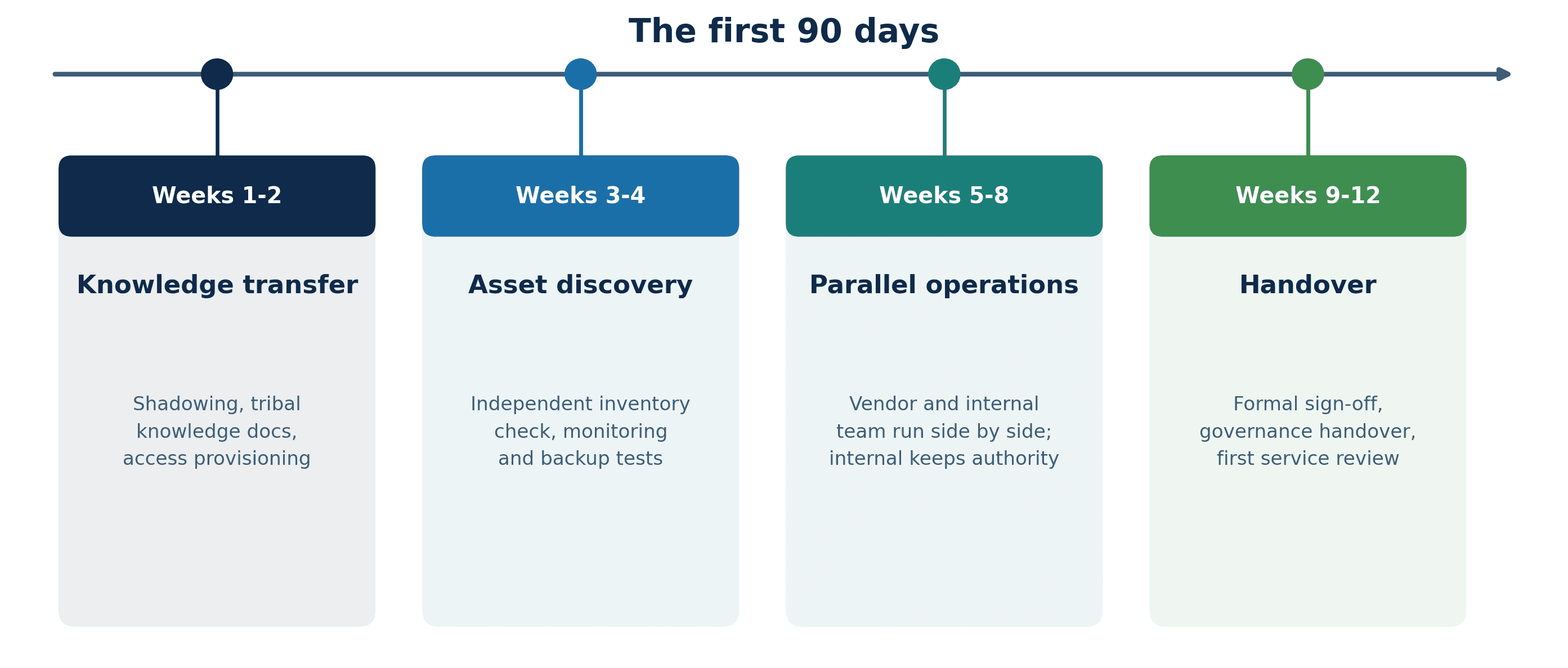
Figure 2: The 90-day transition sequence.
Start with knowledge transfer and access. Move into an independent discovery of your assets. Run both teams side by side for several weeks before handing over full control. For anything business-critical, that overlap is worth the extra cost.
Outsourcing is not something you set up once and forget. Build in weekly reviews early on, moving to monthly once things settle, alongside quarterly strategy and security check-ins and one annual commercial review. Watch whether outsourcing actually frees your team for strategic work, not just where the cost has moved.
A Few Mistakes Show Up Again and Again
- Choosing on price alone, without looking at the total cost over three years
- Skipping a baseline, so you cannot prove any real improvement
- Writing service levels with no number, no measurement and no consequence
- Leaving vendor access open long after it is needed
- Waiting until year three to think about how the relationship ends
Outsourcing Is a Design Choice, Not a Shopping List
The organizations that get outsourcing right treat it the same way they treat network design: with intention. That means being honest about what your team should own, setting outcomes precise enough to matter, choosing partners on capability rather than cost alone and building security in from day one.
Outsourcing does not reduce your accountability. It only changes its shape. And it does not have to start from scratch: many of these decisions trace back to how you procured the technology in the first place. Getting outsourcing right starts with getting your procurement strategy right.
Ready to Define Your IT Outsourcing Model?
We can help you work out what to outsource, co-manage or keep, with real, measurable outcomes and security built in from the start, backed by the same procurement expertise that gets your technology sourced right in the first place. Contact DDevices today to start building your IT outsourcing strategy. www.ddevices.com